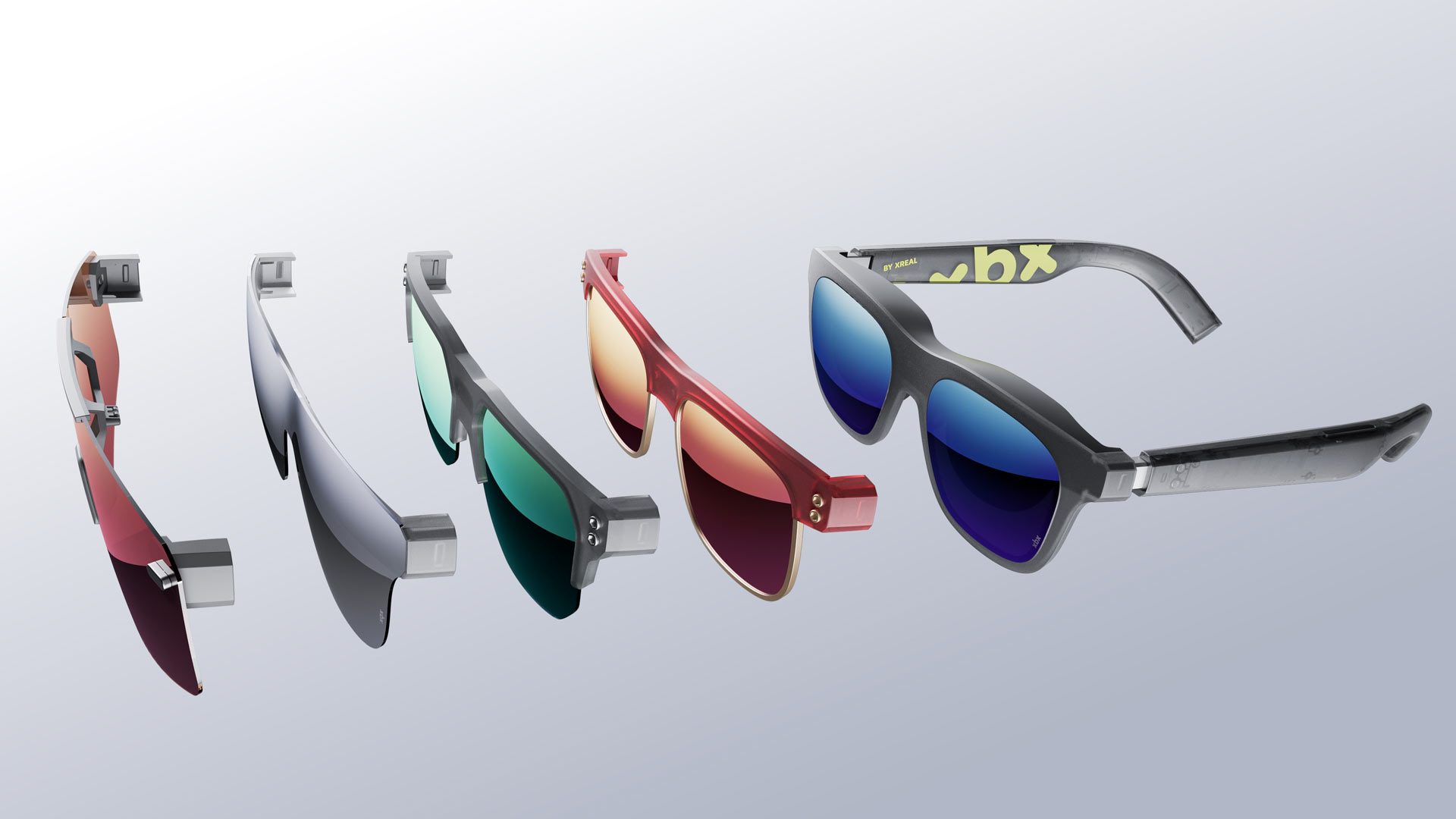
XREAL announced it’s launching a sub-brand in China with the release of the company’s cheapest XR glasses yet. With a name like XBX though, it could create brand conflict if it comes westward.
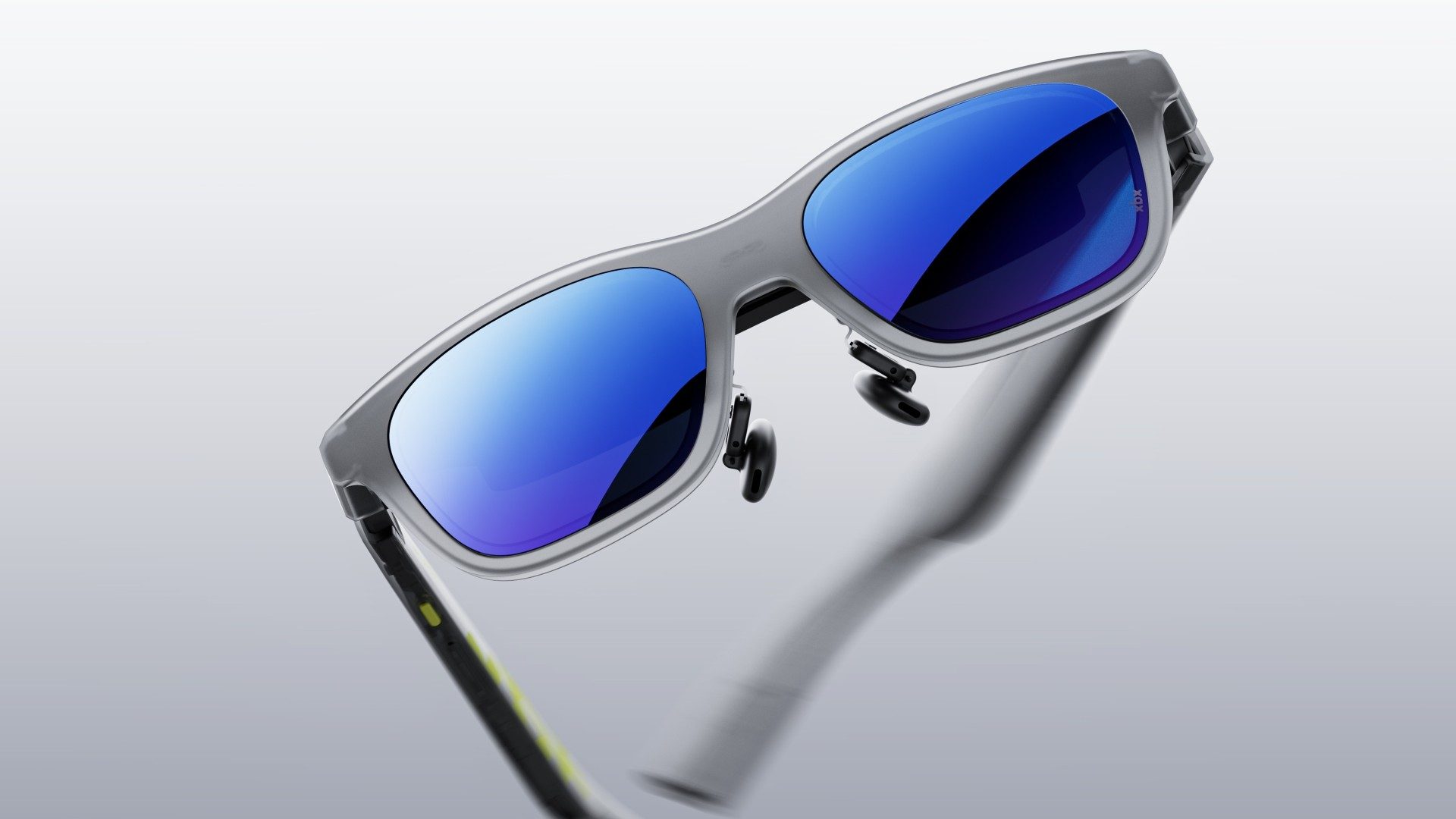
XBX released its first glasses today in China, the XBX A01, which boast a 50° field-of-view, HDR10 support, real-time SDR-to-HDR conversion, and bird bath-style optics delivering up to 1,600 nits of brightness from its Sony micro-OLED displays—all in a 62g package.
Like most of Xreal’s regular lineup though, Xbx A01 is basically meant for consuming traditional content while physically tethered to your standard swath of mobile devices: phones, tablets, portable game consoles, and laptops.
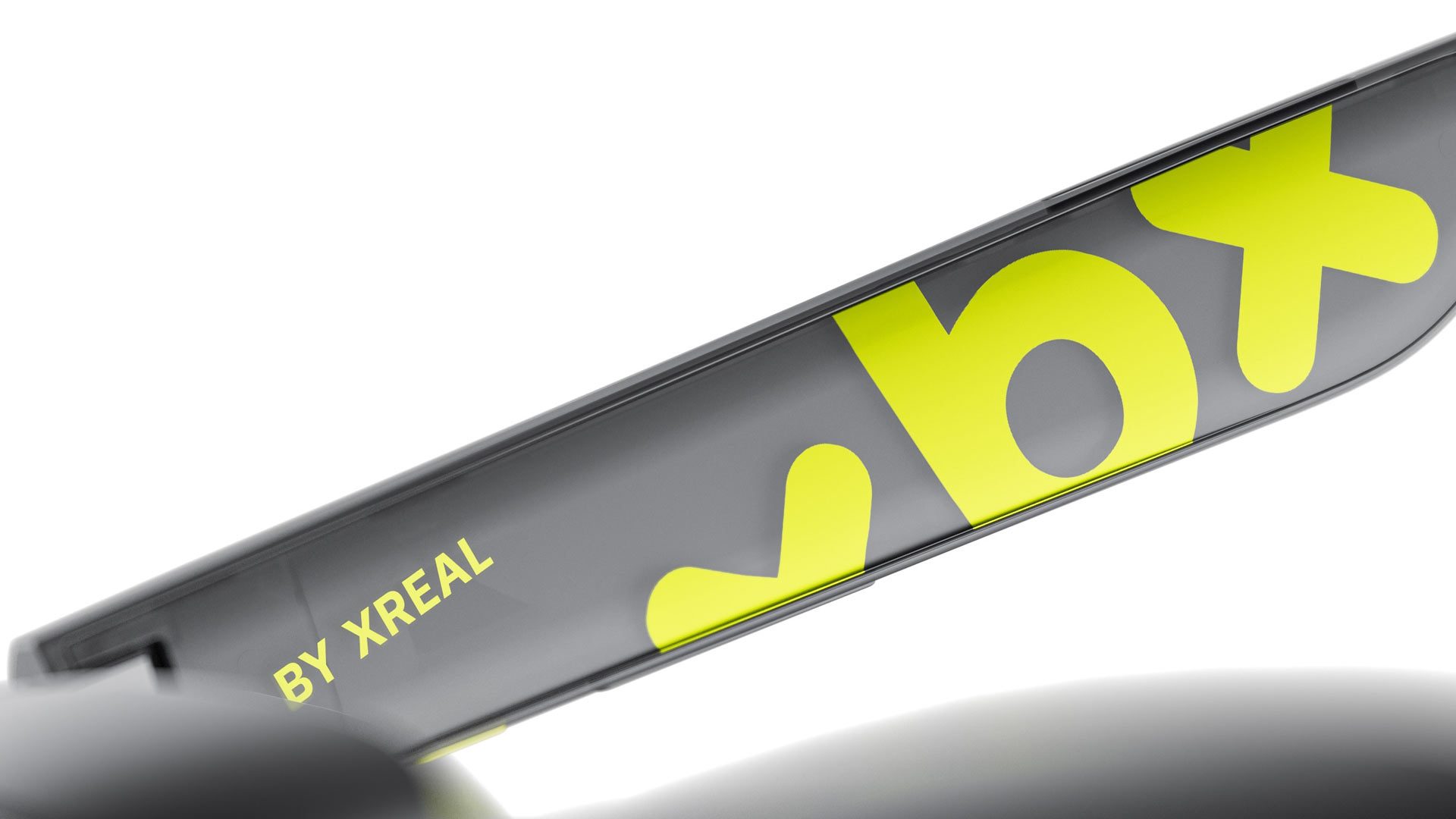
And while the glasses don’t feature any sort of camera sensors, electrochromic dimming, and have also dropped the usual ‘Sound by Bose’ audio seen in other Xreal devices, the device only costs CN¥1,799 (~$265), making them the company’s cheapest AR glasses to date.
But with a name like Xbx, which could easily be confused with Microsoft’s Xbox, it’s uncertain how the brand can leave the safety of the mainland without bucking against established trademarks.
That is, if the company doesn’t want to repeat past mistakes. Before the company was Xreal, the China/US-based company went by the name Nreal. In 2023, the company was forced to rebrand following a trademark dispute with Epic Games, which claimed the name sounded too similar to its Unreal Engine game engine.
Notably, there is an English version of the Xbx website—conveniently missing any store links—so it remains to be seen just what Xreal intends to do with Xbx, be it a mainland-only experiment or the start of a broader budget lineup.
What is clear: Xreal is becoming increasingly aggressive at the lower end of the casual XR glasses market, which comes right as the company is gearing up to take on the consumer AR market outside of China with Project Aura, the result of a deal with Google that positions Xreal as its sole AR hardware partner.
As it is, Project Aura is confirmed to launch sometime this year, making them not only the first pair of AR glasses running Google’s Android XR operating system, but the company’s next big flagship device.
,