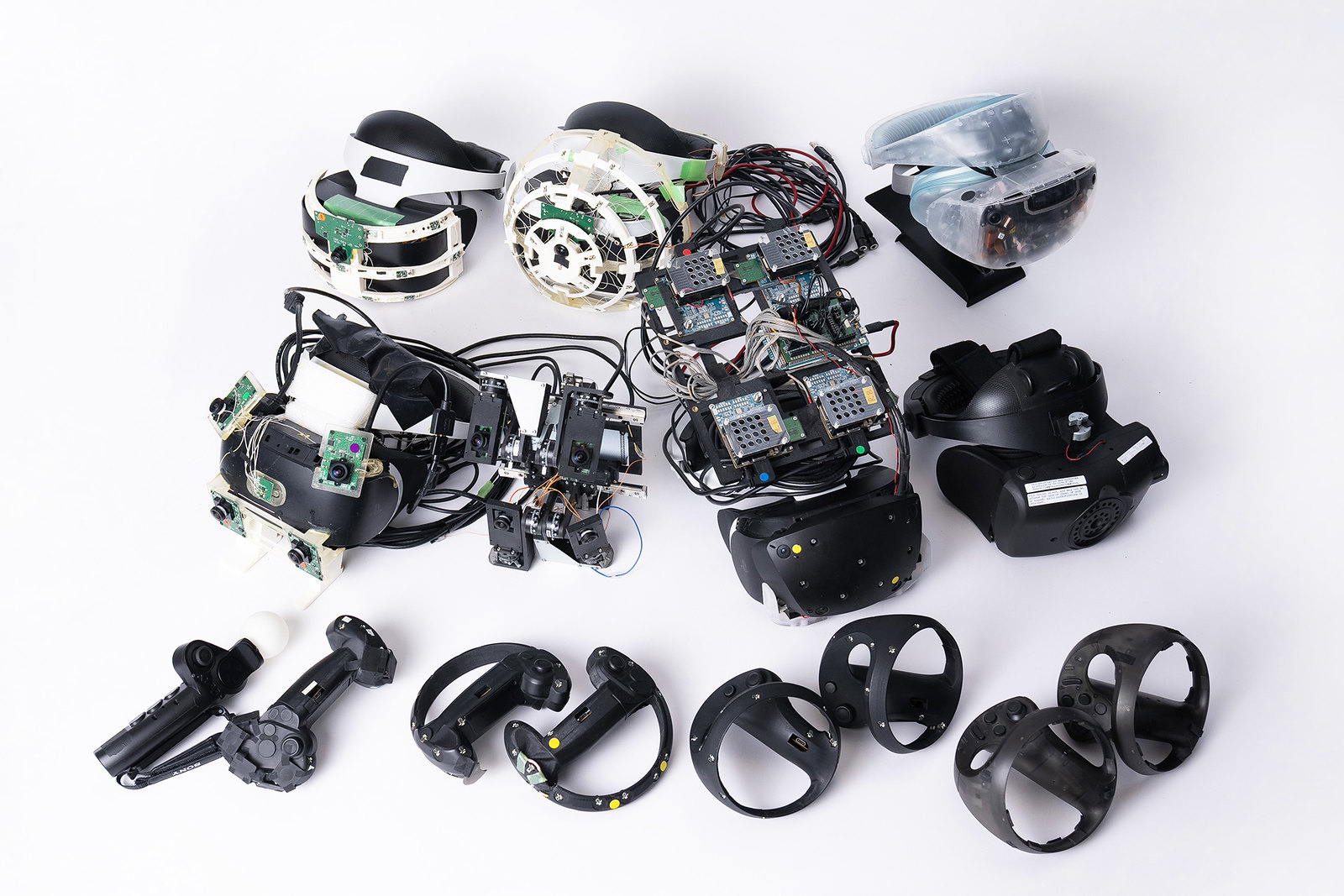
Meta has acquired a number of Sony patents, including some related to XR headsets, suggesting Sony is significantly pulling back from its XR ambitions.
The News
As first reported by ZDNet Korea, a recorded transfer of 43 U.S. patent properties took place between June and September 2026, including virtual, augmented and mixed reality headset patents.
The patents cover things such as information processing specific to XR applications, head-mounted displays and various XR glasses types, filed by Sony from 2010 to 2022.
According to the Confirmatory Assignment agreement signed by the two companies in December 2025, a total of 419 global patents are expected to be subject to transfer, ZDNet reports. Of these, 180 are U.S. patents. The remaining 239 are patents filed in Japan, China, Korea, Europe, and other regions.
Sony’s broad transfer of patents to Meta may suggest the company is materially scaling back its XR hardware ambitions. Neither company has issued a statement on the subject.
My Take
PSVR 2 headset launched in February 2023. A few months before release, rumors in the developer community alleged the company wasn’t committing the same developer dollars to creating content for its next-gen VR headset, which is an excellent VR hardware in its own right.
Indeed, relatively few anchor titles arrived on PSVR 2 to inaugurate its launch: Horizon Call of the Mountain, Firewall Ultra (now defunct) and some VR modes for Resident Evil Village, Resident Evil 4, and Gran Turismo 7. Granted, many of my favorite games are available on PSVR 2 today, but at the launch price of $550—notably $150 more than the original PSVR—it proved to be a much tougher sell than either PS5 owners or developers looking to support the platform could stomach.
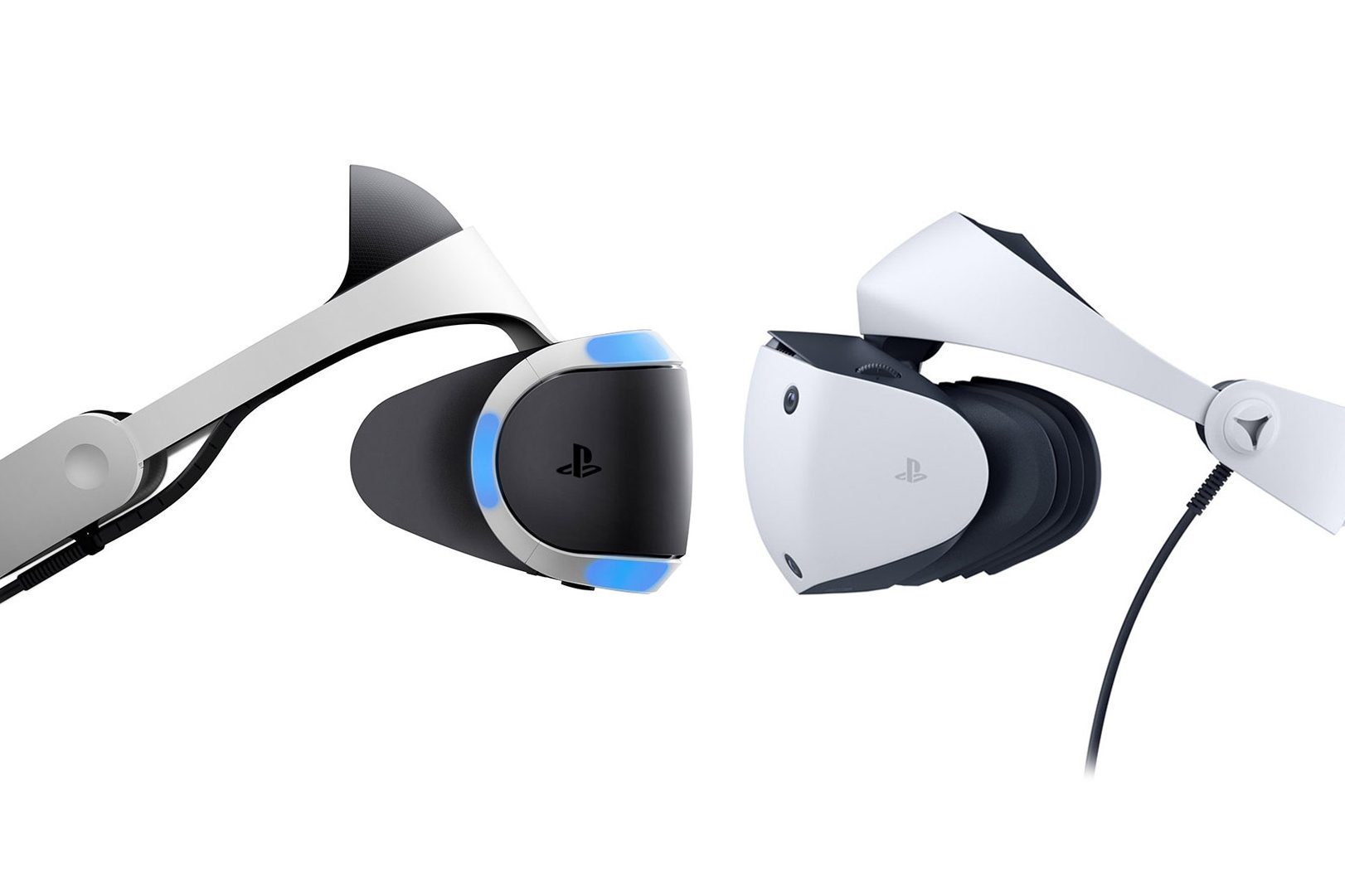
Then, a little over a year later, the company cut PSVR 2 loose from PS5 by selling its PC VR adapter, allowing PSVR 2 users to play SteamVR games via VR-ready PCs—a move not only patently antithetical to its position as walled garden console, but indicative that Sony was done pitching PSVR 2 beyond enthusiast circles.
PSVR 2 isn’t the only XR headset Sony makes, although it is its most important. The company also sells an enterprise mixed reality standalone, built in collaboration with Siemens, in addition to being one of the largest makers of head-mounted displays before the consumer VR revolution kicked off in the mid-10s, which include some of the earliest reported HMDs on this site.
While I doubt the patents will materially change Meta’s broader hardware plans, it does conceptually knock out a potential rival, as Meta continues on to develop more XR headsets and glasses like its newly announced slim and light Meta VR Glasses, coming in Spring 2027 for $1,300.