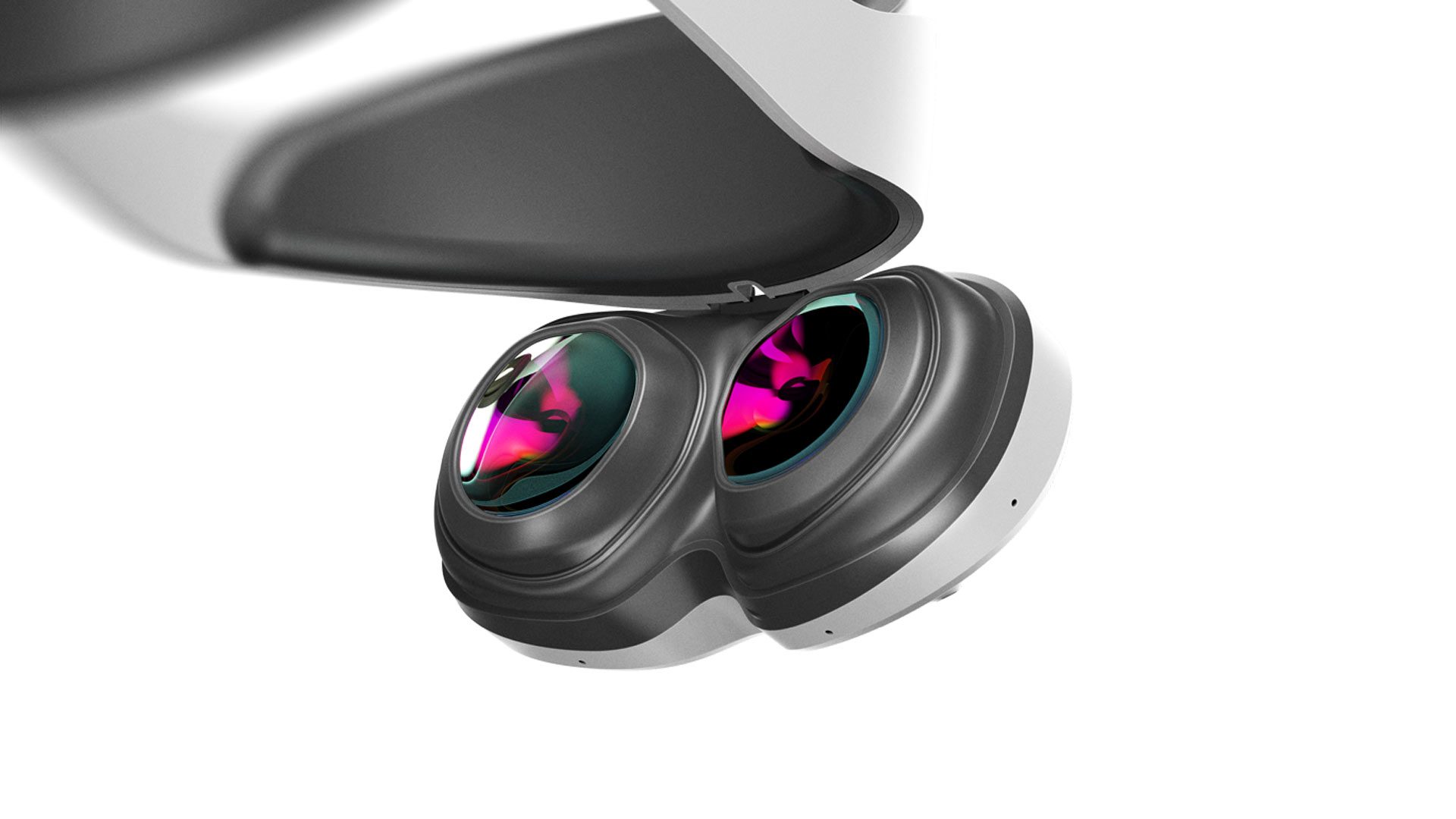
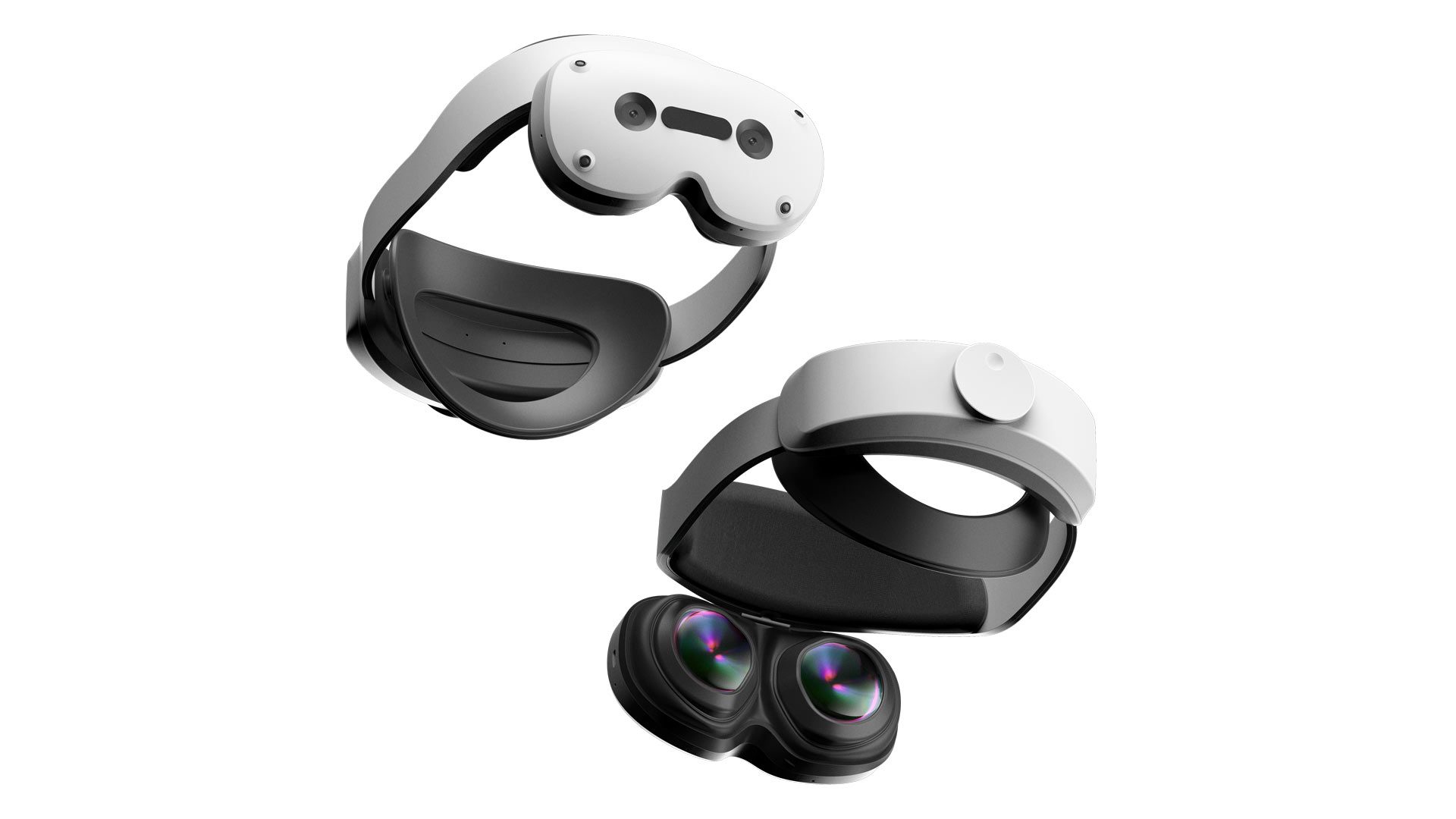
The company behind Lynx has entered liquidation proceedings ahead of launch of its upcoming Lynx-R2 XR headset, which is targeted at both consumers and enterprise.
According to French court documents, SL Process, the company behind Lynx, has officially entered judicial liquidation following a ruling by the Economic Activities Court of Nanterre, France.
The legal notice was published on the Official Bulletin of Civil and Commercial Advertisements (BODACC), the country’s public bulletin wherein binding legal status changes are published.
Under French insolvency law, judicial liquidation essentially means restructuring efforts have failed and survival is no longer viable, as assets and IP are typically sold off to cover debts.
Road to VR initially reached out to Lynx when a similar posting was made last week, however has yet to receive comment. We’ll update when/if leadership responds to our request.
Notably, SL Process is what Lynx founder and CEO Stan Larroque calls in his personal blog a “shell company” which acts as a parent company to Lynx Mixed Reality.
While the exact reasoning behind the filing remains unclear, it may have something to do with Google reportedly pulling its support for Lynx-R2, which was initially supposed to launch running the Android XR operating system.
Lynx-R2 was slated to launch sometime later this year, featuring 126° horizontal FOV with unique aspheric pancake lenses, paired with a Snapdragon XR2 Gen 2 chipset, 16GB RAM, and full-color pass-through.
As noted by UploadVR in November though, Lynx revealed that Google “terminated Lynx’s agreement to use Android XR,” something the XR hardware maker called a “surprising turn of events” at the time.
If confirmed, the liquidation of SL Process could effectively mark the end of Lynx as an independent XR hardware maker, capping off one of the few European attempts to bring a standalone XR headsets to market—something Larroque characterized in 2024 as an “excruciating” fundraising environment.
Although the company managed to attract additional funding outside of R-1’s successful Kickstarter campaign from late 2021, which brought in $800,000 in crowd funds, Crunchbase data indicates the French startup only managed to attract $6.8 million in funding to date.
,