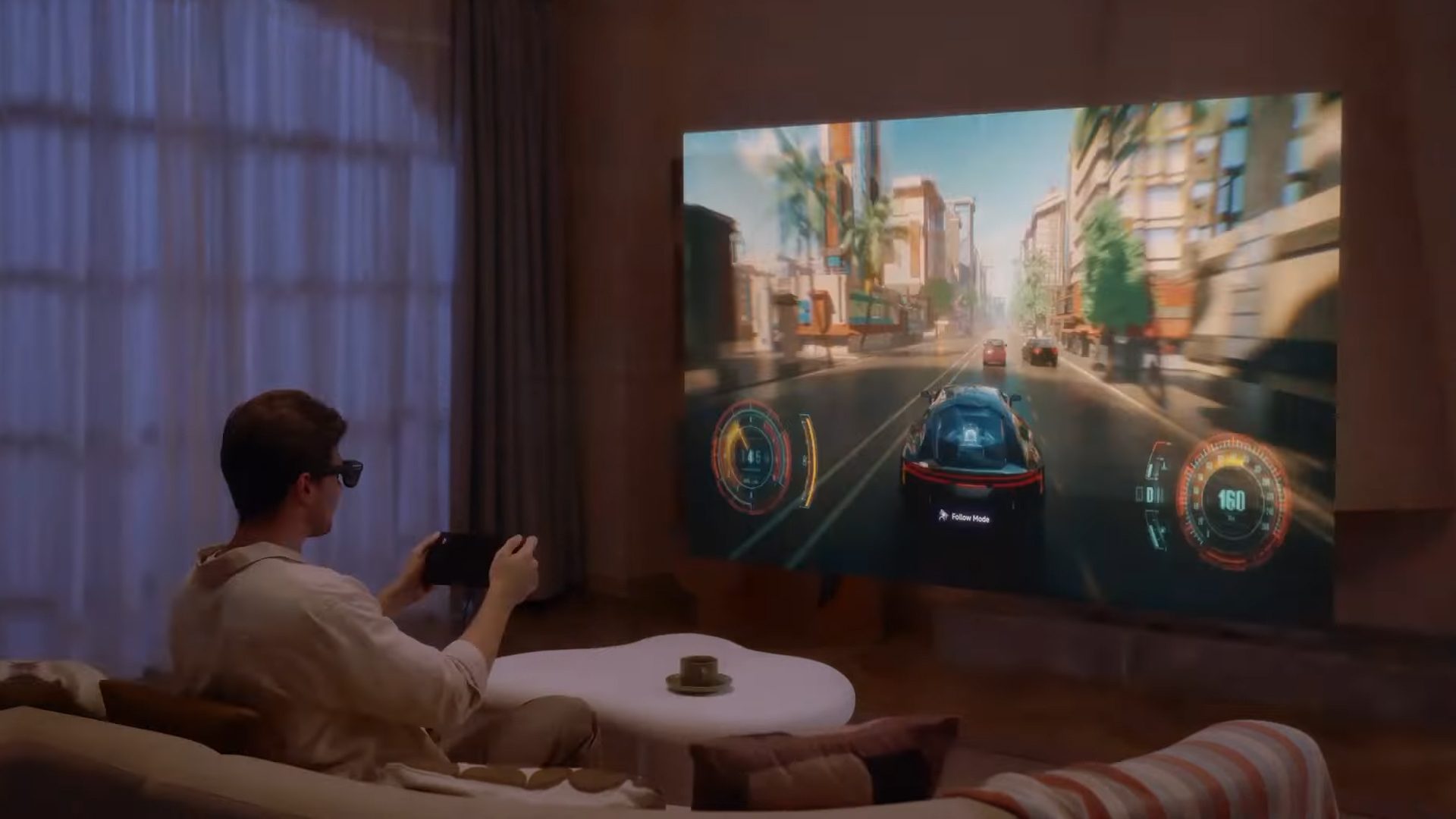
XREAL has rolled out a real-time 3D conversion feature to its flagship AR glasses, which the company says converts any 2D content to 3D.
Xreal initially launched its ‘Real 3D’ software on Xreal 1S AR glasses earlier this month, however now the company has rolled out an update to Xreal One and One Pro that brings optional real-time 3D conversion to 2D content.
The company says Real 3D doesn’t require special video files, apps, DRM-protected content, or external software. All of the conversion is done in real-time on device via the company’s X1 spatial computing chipset built into the One series glasses.
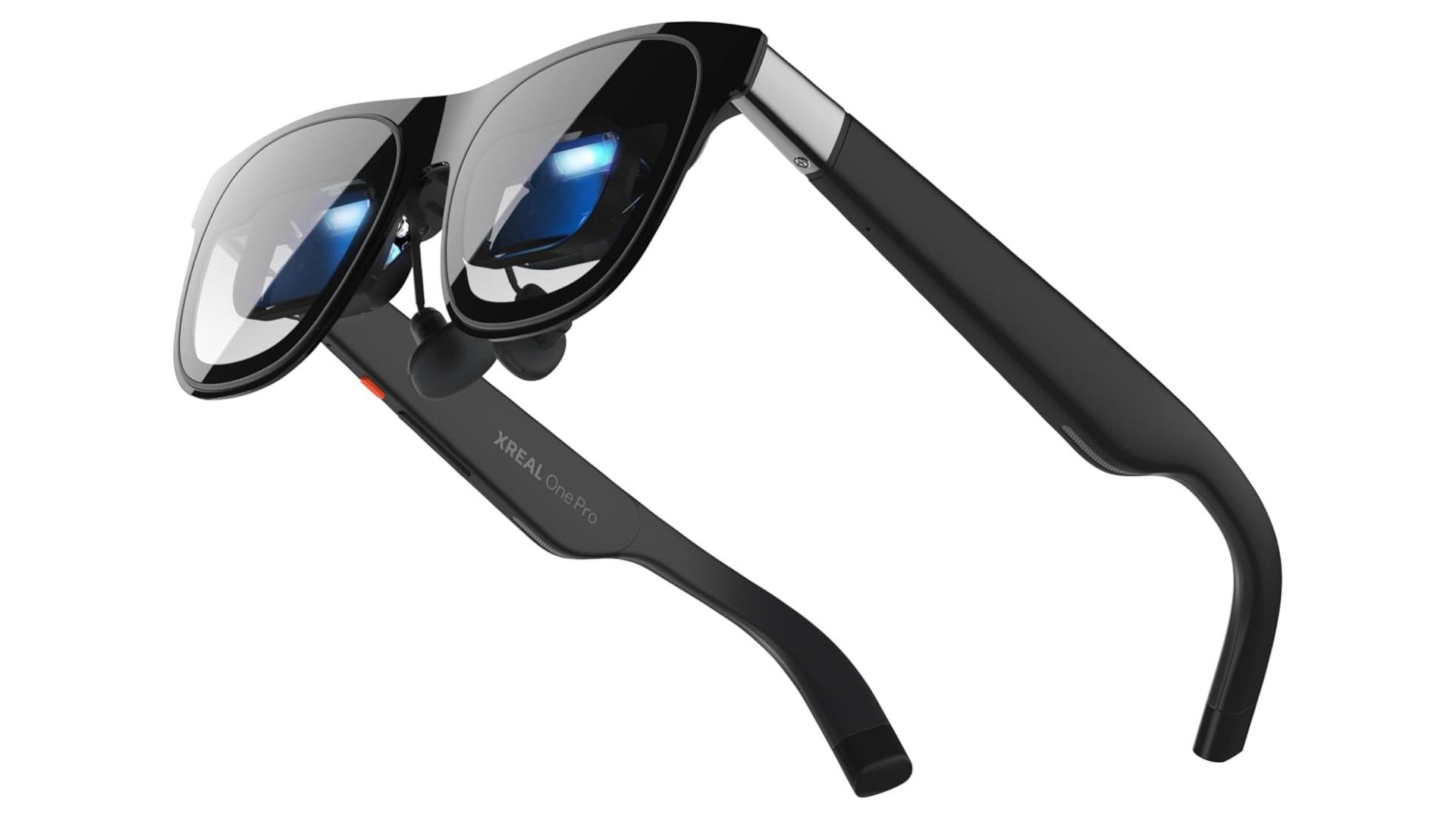
“Because it doesn’t depend on proprietary players or formats, Real 3D works across connected desktops, consoles, phones, and other devices,” the company says, noting that content includes movies, streaming videos, locally stored media, and games.
Xreal tells Road to VR it does this by using the X1 chip’s NPU (neural processing unit) to perform depth estimation inference on every incoming frame and to generate the corresponding left- and right-eye views with depth relationships.
The company says it’s still investigating Real 3D’s latency. Notably, the company says that when compared to other display modes, its real-time 3D conversion results in “slightly higher power consumption,” something Xreal says is around 300mW.
Additionally, Xreal tells Road to VR that its Real 3D technology is entirely developed in-house.
“We trained a highly compact model that balances performance and power consumption specifically for integrating into the X1 chip. While real-time 3D conversion is relatively straightforward on high-end GPUs, we have not found any comparable solutions in the industry that can operate effectively on low-power platforms like X1.”
The Beijing-based AR glasses maker sells a fairly wide range of AR glasses, all of which target traditional content consumption, such as flatscreen games, TV and film running on its own Android-based operating system.
Alongside the announcement it had secured a $100 million financing round, Xreal also recently became Google’s lead AR partner following a multi-year extension of an agreement initially initially started in late 2024.
As a result, Xreal aims to bring Google’s Android XR operating system to its AR glasses over the next few years, which is slated to kick off with Xreal’s Project Aura when it launches at some point this year. In the meantime, you can check out our recent hands-on with Project Aura here.
,