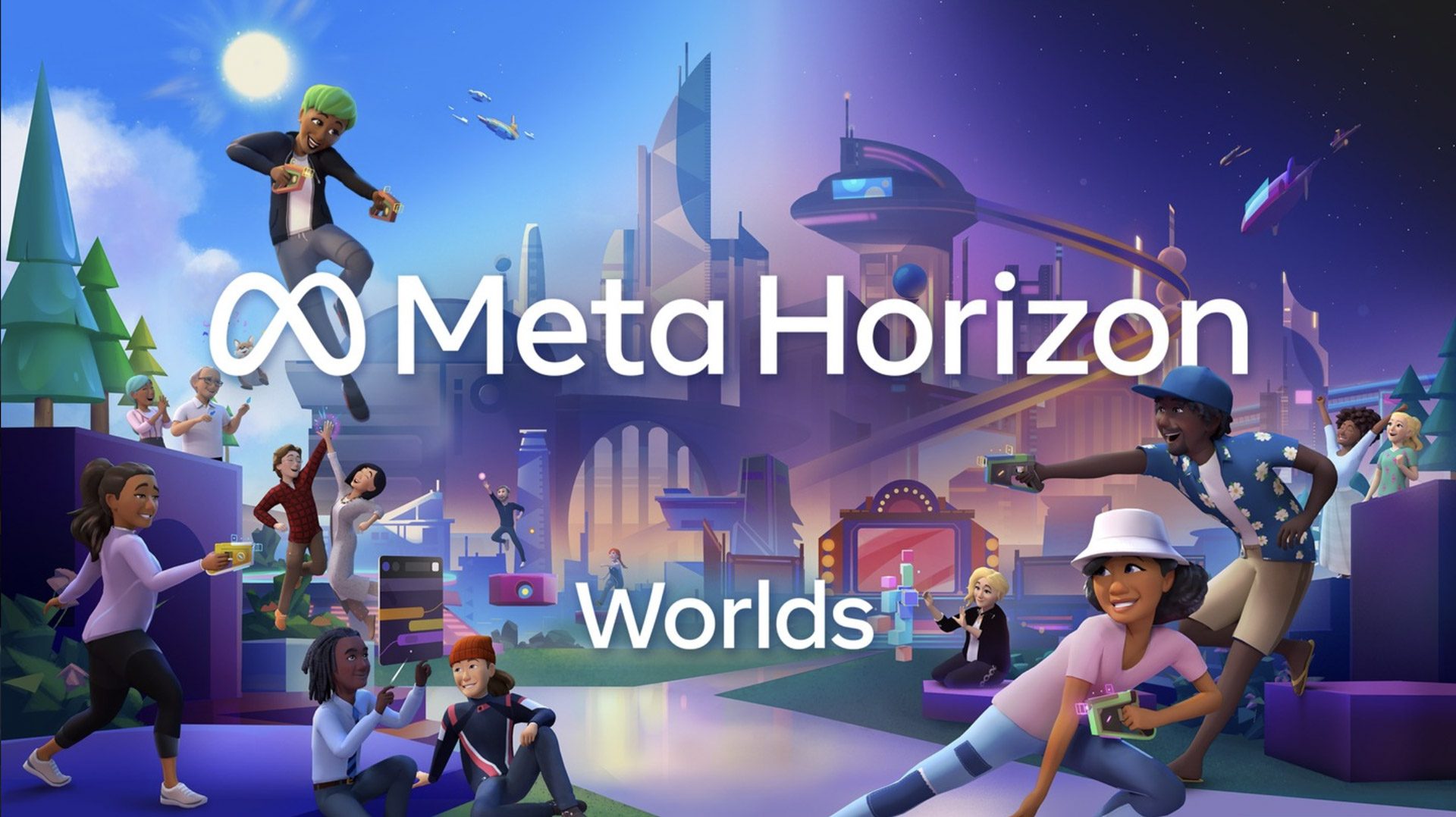
Meta CTO Andrew Bosworth offered the first bit of insight into the company’s recent Reality Labs shakeup, publicly acknowledging that Meta’s metaverse efforts suffered from a “lack of focus” that ultimately hurt the user experience on Quest.
Speaking at Axios House in Davos, Switzerland alongside the World Economic Forum last week, Bosworth discussed several issues that led Meta to refocus its metaverse and VR strategy—something that also included layoffs affecting 10 percent of its Reality Labs XR team.
Meta is refocusing its approach, and doubling down on AI and smart glasses while narrowing and reorganizing its VR and metaverse efforts. Bosworth, who is also head of Reality Labs, frames the pivot as a three-point problem: poor communication around the metaverse vision, high development costs, and an over-integration of Horizon Worlds with Meta’s VR strategy.
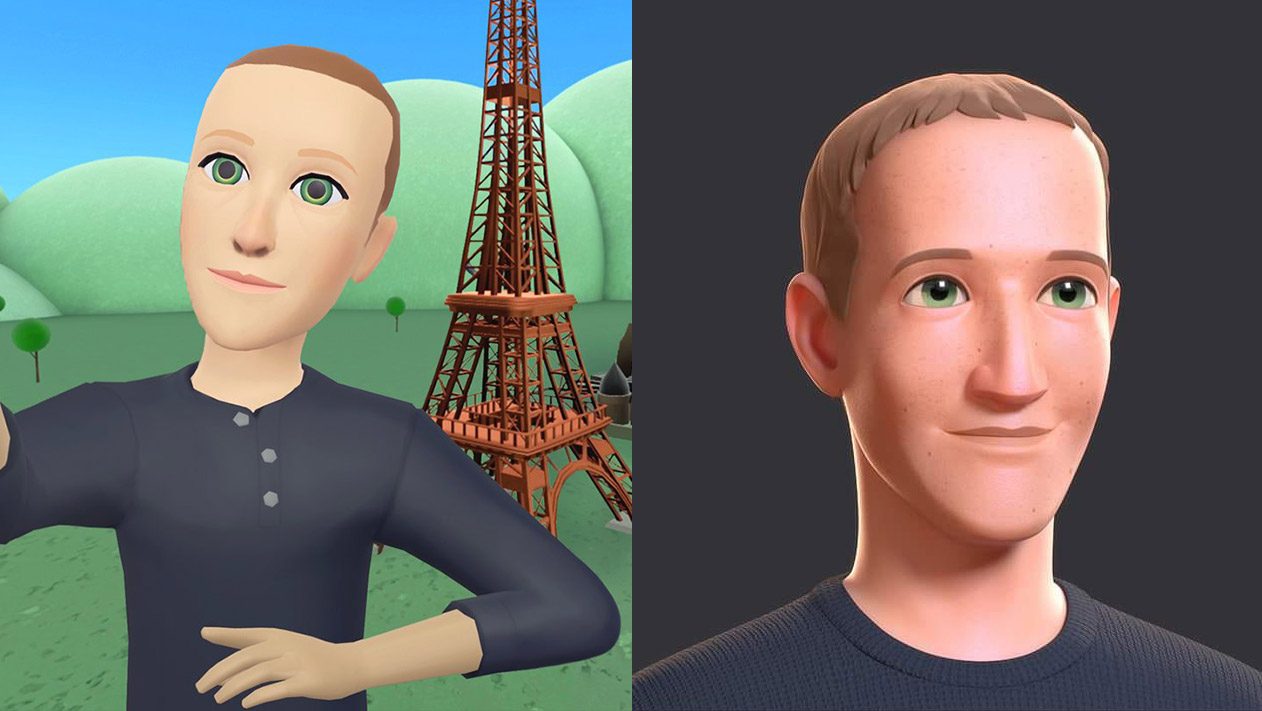
Horizon Worlds wasn’t the company’s first social VR platform, although it did represent the first real concerted effort to bring to Quest users a ‘default’ shared VR space when it was initially released in 2021. Bosworth notes that Meta’s metaverse ambitions were to build a “rich version” of the mental “transportation” people already experience when socializing through smartphones.
“We still plan on doing that,” Bosworth told Axios’ Ina Fried, referring to Horizon Worlds. “But it’s like any investment. You’re going to look at how you do over the course of years and you’re going to reinvest in some areas and trim your losses in others. For us, we’re seeing tremendous growth of the our metaverse on mobile.”

While the launch across Android and iOS mobile devices in 2023 pushed Horizon Worlds reach beyond Quest for the first time, it eventually led to higher costs and a more difficult development process.
“Having to build everything twice—once for mobile and once for VR—is a tremendous tax on the team. You’d rather grow a giant audience and then work from a position of strength.”
A second issue was Meta’s decision to tightly bind Horizon Worlds to the Quest platform—something Bosworth admits wasn’t for everyone.
“When you put the headset on, you’re immediately in this kind of co-present accessible space. That is a real challenging piece of work to land from a standpoint of there’s lots of people who put this headset on for lots of different reasons. You want to support all those different use cases, [but] the lack of focus comes at an expense of user experience and a great expense in terms of development cost.”
Bosworth says that while the company now has “two much more focused bets,” those essentially come down to supporting third-party VR content and Horizon Worlds on mobile.
“To do this, of course, it’s tragic anytime your plans change and there’s a human cost; we found a bunch of roles that we just didn’t need anymore,” Bosworth said, referring to layoffs. “So, we did end up downsizing the effort on the metaverse specifically. Though on net, Reality Labs isn’t downsizing. We’re taking basically taking all of those [positions] and taking the investment on wearables, which is growing so rapidly for us.”
This follows the closure of three first-party VR studios, representing a concerted pullback from developing and funding content for the Quest platform.
Notably, Reality Labs’ operating costs have consistently exceeded $4 billion per quarter since late 2021. Q4 is the XR division’s most performant in terms of revenue, however Reality Labs typically only generates a max of around $1 billion, with Q1-Q3 bringing in significantly less. We’re sure to learn more about Q4 2025 when the company reports its after market close on Wednesday, January 28th.
You can watch the full interview below. Thanks go to Reddit user ‘gogodboss’ for pointing us to the news.
,