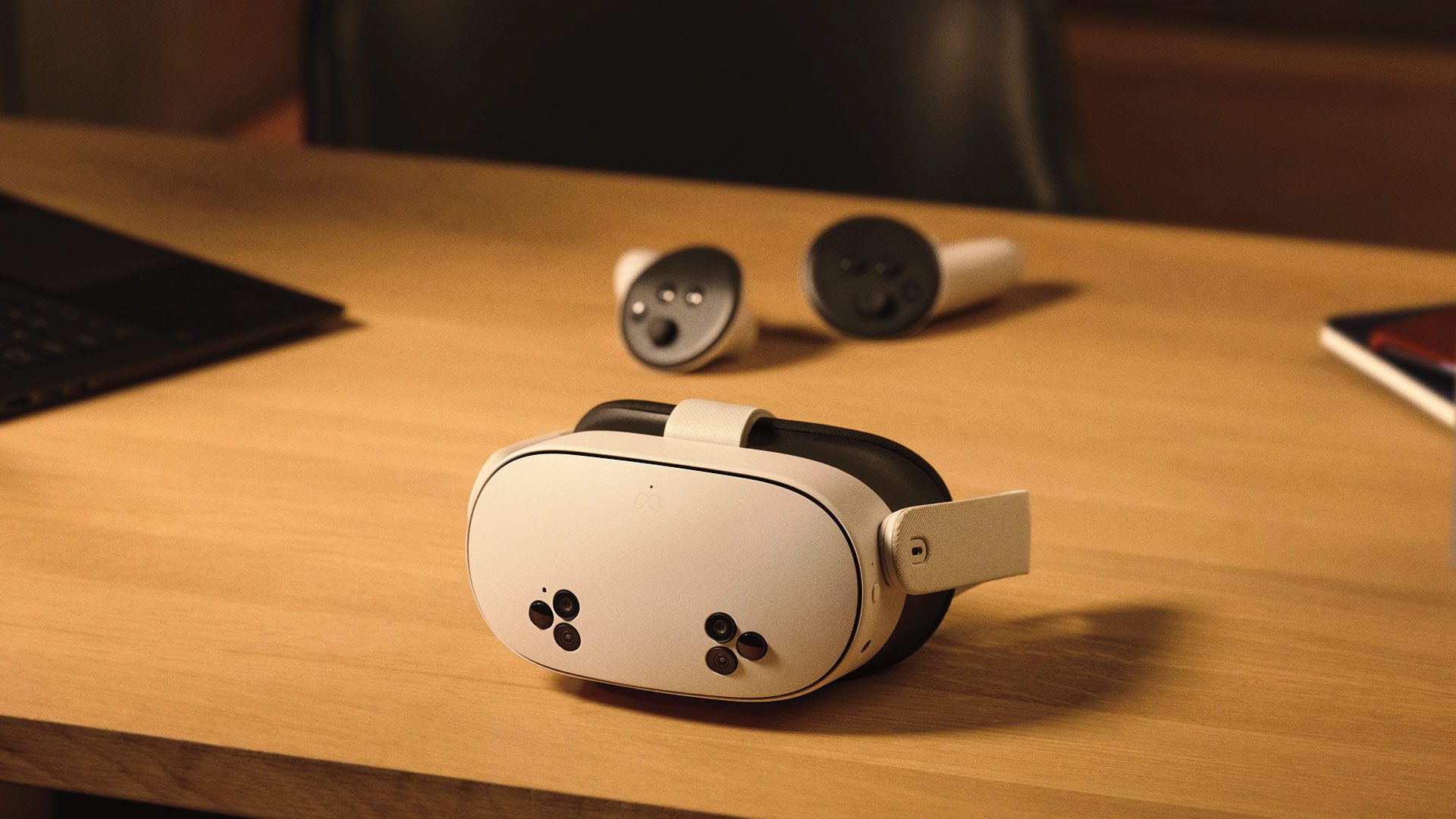
Meta is slated to layoff around 10 percent of staff at its Reality Labs XR division, a New York Times report maintains, as the company appears to be shifting focus to AI and smart glasses.
The News
According to three people with knowledge of internal discussions, cuts could come as early as today, and could affect more than 10 percent of the 15,000-person XR division.
Layoffs are said to affect those working on VR headsets and “a V.R.-based social network,” the report maintains, suggesting cuts to staff developing Horizon Worlds.
This follows a recent report that Meta CTO Andrew Bosworth called an in-person all-hands meeting for Wednesday, January 14th, which is said to be the division’s “most important” of the year.
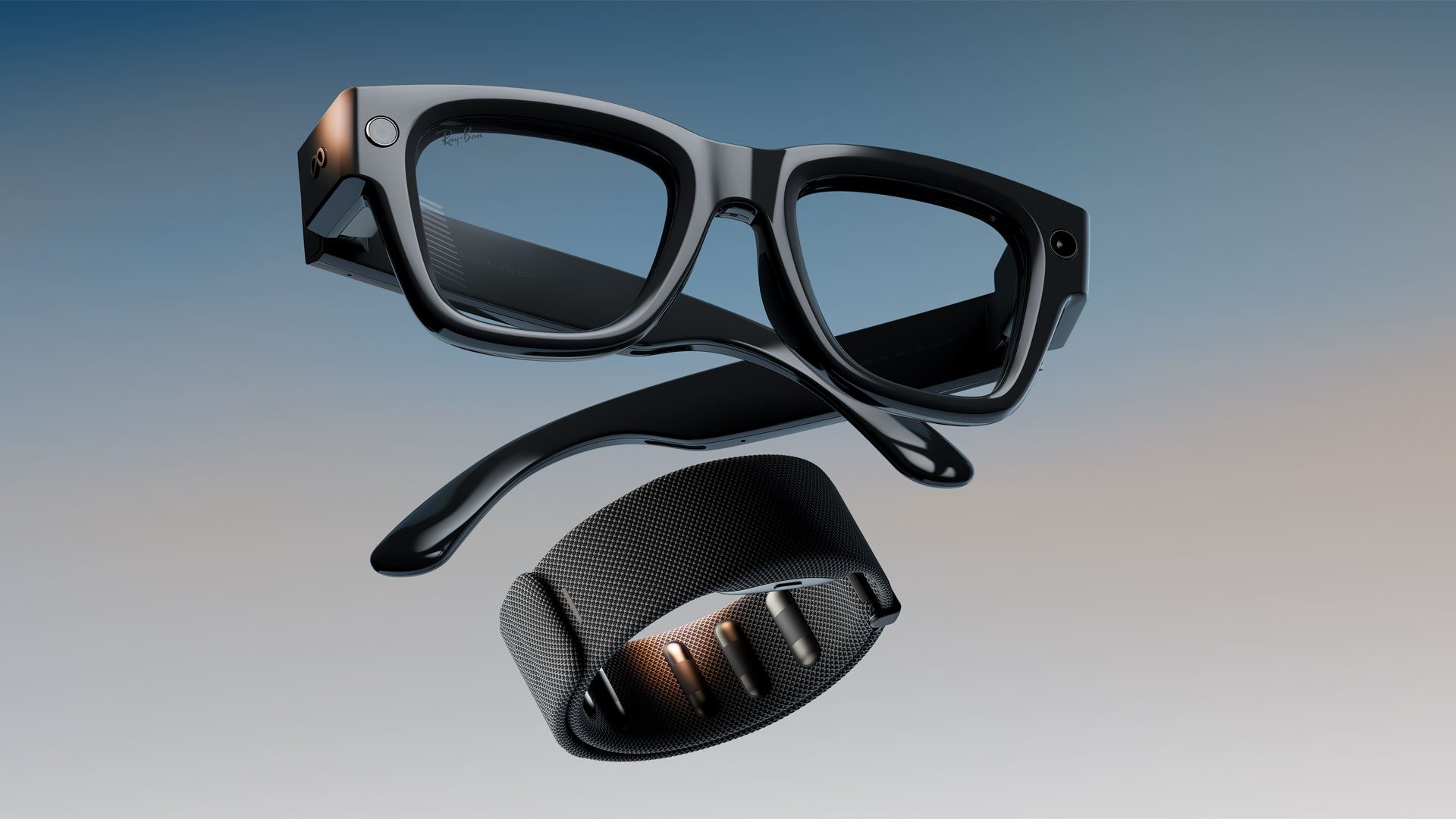
In addition to ramping up development on its next-gen AI, the report maintains Meta plans to reallocate some of the money from VR products to its wearables division, responsible for Ray-Ban Meta smart glasses and Meta Ray-Ban Display glasses.
This comes as Meta has markedly reduced spending on VR over the past two years; the company has pulled back from funding eye-catching Quest exclusives in addition to reducing staff across its various XR studios, including its Oculus Studios publishing arm and the team behind VR workout app Supernatural.
Additionally, the company shuttered game studios Ready at Dawn (Lone Echo, Echo Arena) in 2024 and Downpour Interactive (Onward) in 2025.
My Take
An all-hands meeting scheduled for Wednesday by Reality Labs chief and company CTO Andrew Bosworth can really only mean a few things: info on how the company is restructuring, and probably a good helping of morale boosting platitudes on how Meta isn’t really abandoning anything, just making things more efficient and serving the greater goal of connecting people through technology. I hope to learn more soon from resultant leaks, blog posts, etc.
And if Boz doesn’t say this, I will: Meta’s VR and more recent metaverse ambitions haven’t ever turned a meaningful profit after having cost the company multi-billion dollar figures in quarterly operational budgets over the better part of a decade. And the company’s smart glasses have. Investors can’t stomach that forever.

Comparatively speaking, smart glasses represent a massive return on investment for Meta. Unlike with VR headsets, the company doesn’t need to seed studios with developer tools, organize big conventions to teach third-parties how to create content, buy studios, fund exclusive content. Meta’s smart glasses don’t even have an app store yet—everything is first-party, and it probably won’t for a while.
In fact, even before the mere mention of an app store, Ray-Ban creator EssilorLuxottica is ramping up production capacity to 10 million annual units by the end of 2026—dwarfing the already 2 million units sold since Ray-Ban Meta’s initial release in 2023.
Granted, the lack of an app store is temporary for its smart glasses; its forthcoming AR glasses will most certainly need one when it arrive as early as next year. But in the meantime, Meta has become a class leader in smart glasses, making it seem almost unconscionable to investors to throw so much gas on VR when smart and AR glasses are nearly set to spontaneously combust.
,