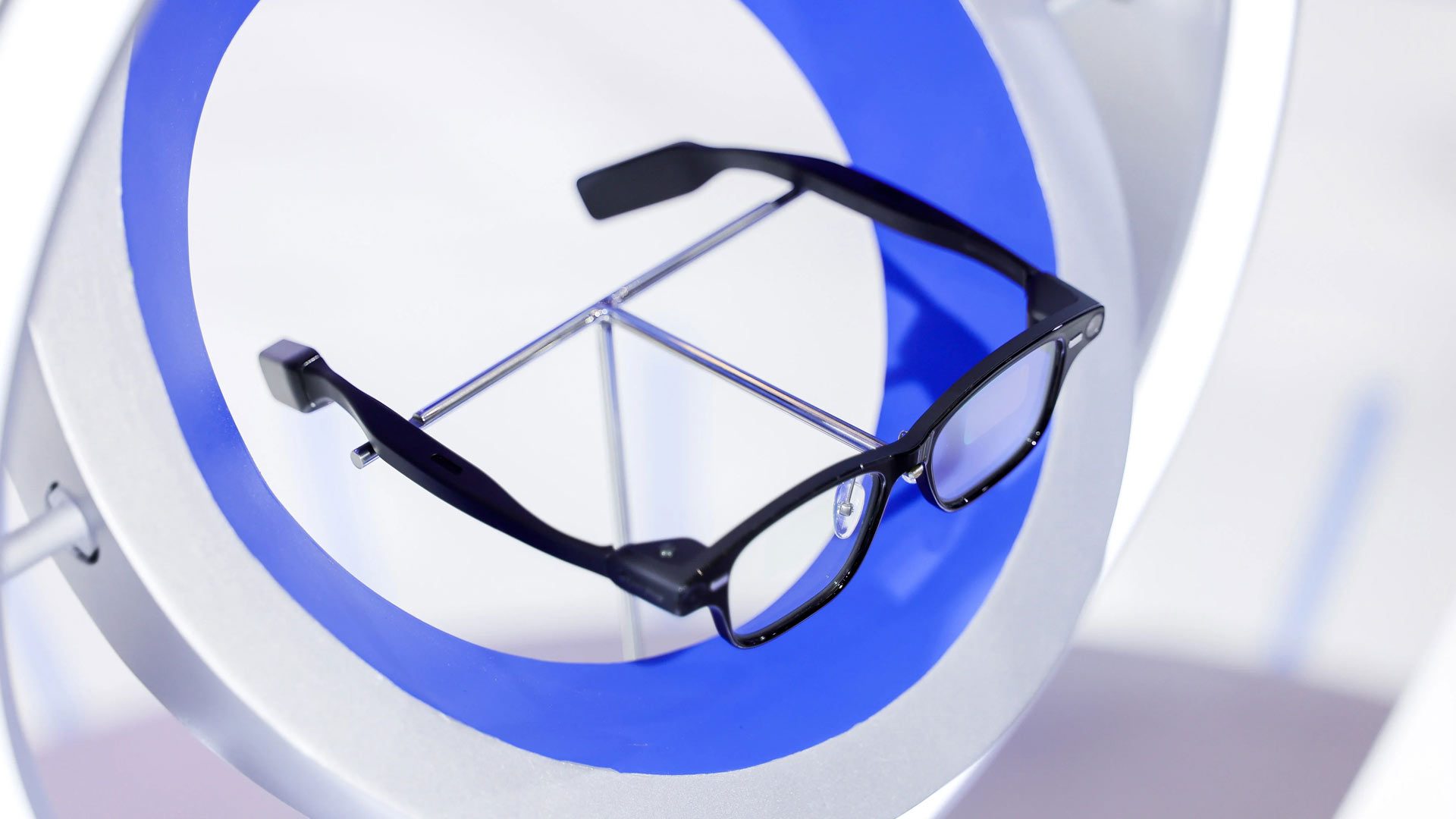
Alibaba released a pair of display-clad smart glasses, ostensibly looking to go toe-to-toe with Meta Ray-Ban Display, which launched in the US for $800 back in September.
The News
China’s Alibaba, one the world’s largest retailers and e-commerce companies, just released its first smart glasses, called Quark AI Glasses, which run the company’s own Qwen AI model.
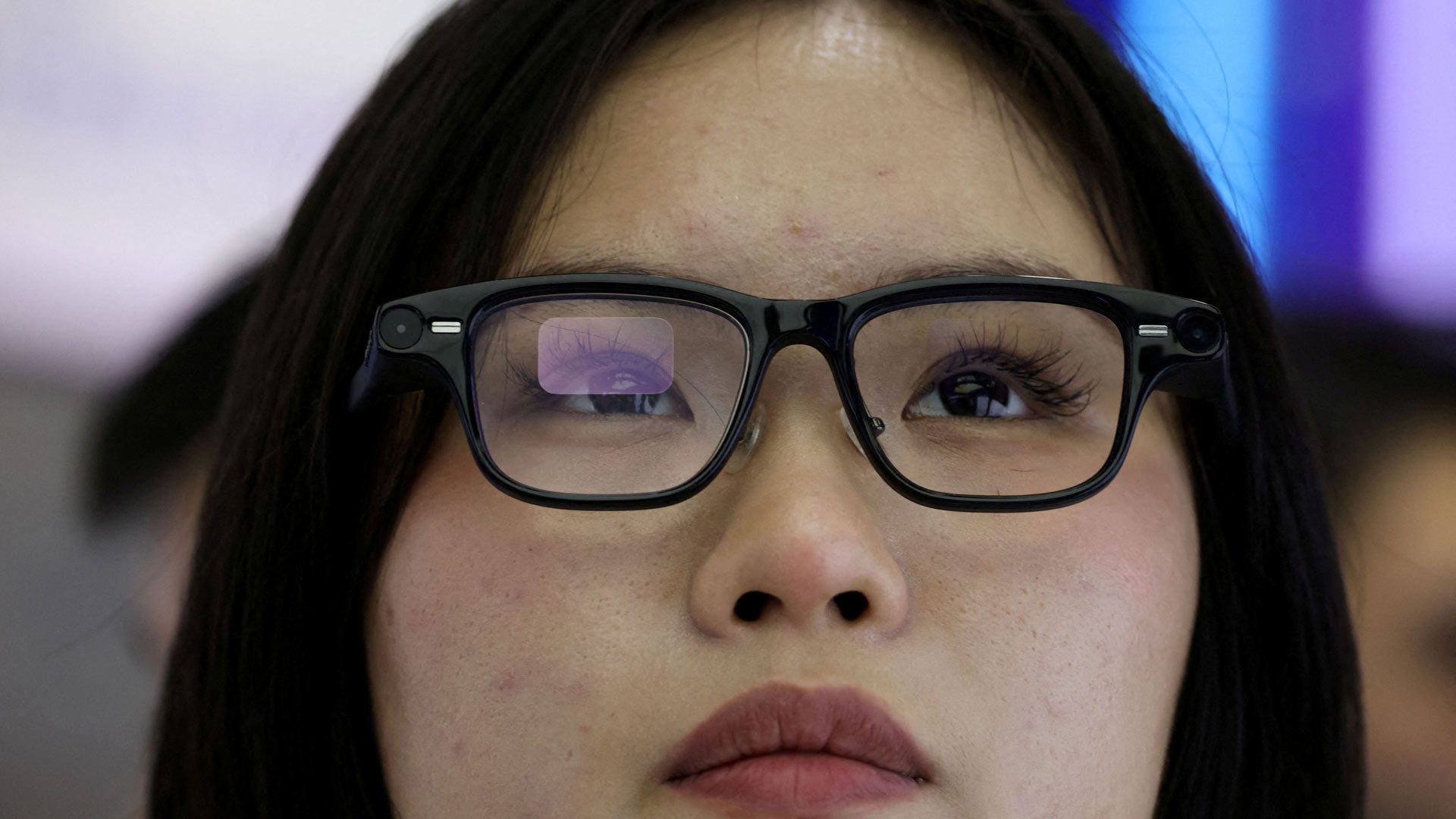
Seemingly China-only devices for now, Alibaba is now offering Quark AI in two fundamental versions across Chinese online and brick-and-mortar retailers:
- Quark AI Glasses S1: starting at ¥3,799 (~$540 USD), includes dual monochrome green displays
- Quark AI Glasses G1: starting at ¥1,899 (~$270 USD), no displays, sharing core technology of ‘S1’ model
Quark AI Glasses S1 is equipped with a Qualcomm Snapdragon AR1 chipset and a low-power co-processor which drive dual monochrome green micro-OLED displays, boasting a brightness of up to 4,000 nits, according to South China Morning Post.
It also features a five-microphone array with bone conduction, 3K video recording which can be automatically upscaled to 4K, as well as low-light enhancement tech said to bring mobile phone-level imaging to smart glasses. Additionally, Quark AI Glasses S1 include hot-swappable batteries, which plug into the glasses’ stem piece.
You can see the English dubbed version of the Chinese language announcement below:
My Take
At least when it comes to on-paper specs, Quark AI Glasses S1 aren’t exactly a 1:1 rival with Meta Ray-Ban Display, even though both technically include display(s), onboard AI, and the ability to take photos and video.
While Meta Ray-Ban Display only feature a single full-color display, Quark S1’s dual displays only offer monochrome green output, which limits the sort of information that can be seen.
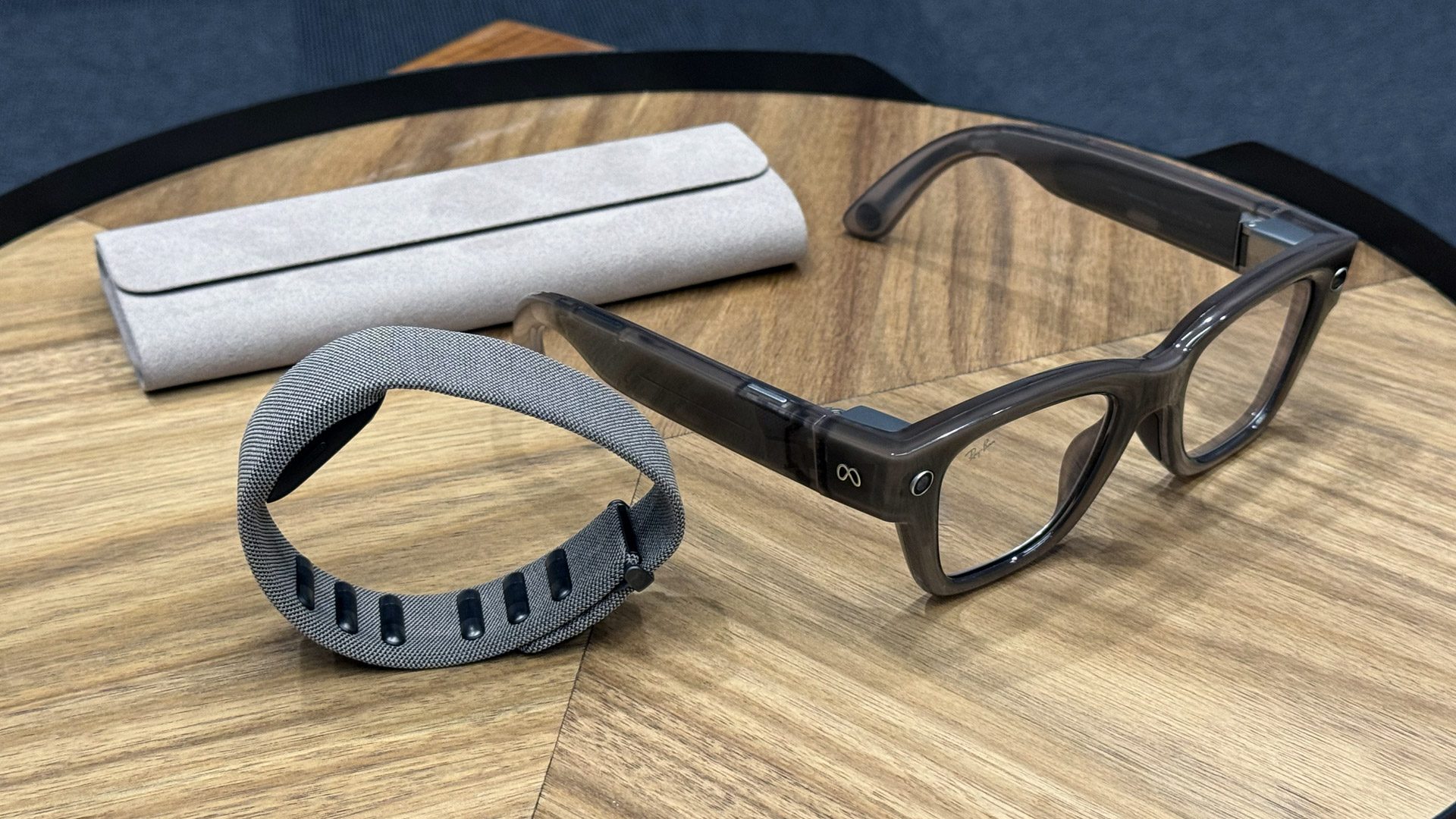
Quark S1 also doesn’t come with an input device, like Meta Ray-Ban’s Neural Band, limiting it to only voice and touch input. That means Quark S1 user won’t be scrolling social media, pinching and zooming content, or other nifty UI manipulation.
Still, that might be just enough—at least one of the world’s largest e-commerce, cloud infrastructure, and FinTech companies thinks so. Also not worth overlooking is Quark S1’s unique benefit of being tightly integrated into the Qwen AI ecosystem, as well as the Chinese payment infrastructure for fast and easy QR code-based payments with Alipay; that last one is something most Chinese smart glasses are trying to hook into, like Xiaomi’s own Ray-Ban Meta competitors.
Although the company’s Qwen AI model is available globally, I find it pretty unlikely that Alibaba will ever bring its first-gen models of Quark AI Glasses S1/G1 outside of its usual sphere of influence, or meaningfully intersect with Meta’s supported regions.
,