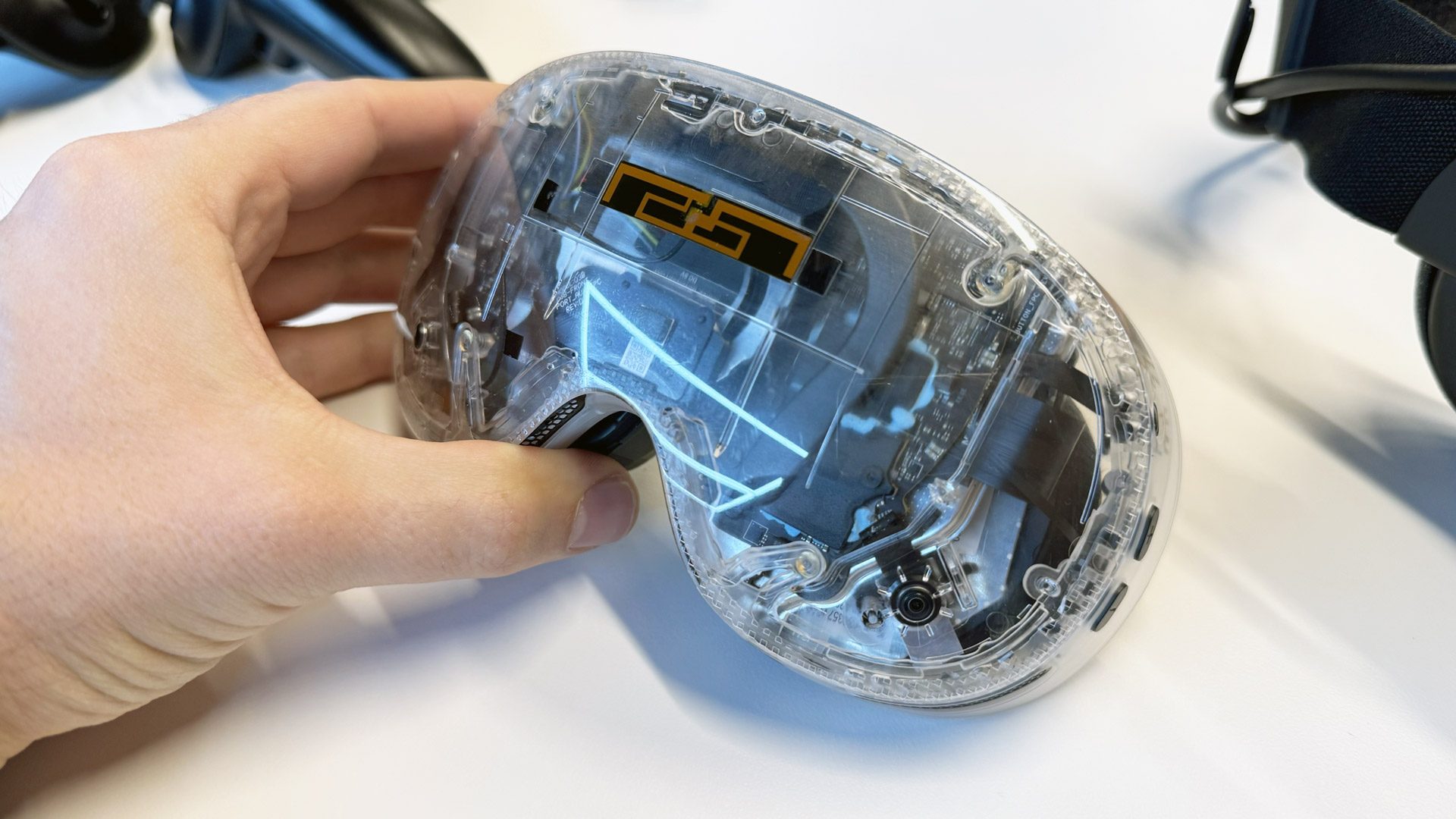
In March 2019, Valve surprised the VR industry with the tease of ‘Index’, its first self-made VR headset. Index would go on to launch later in May 2019 and be seen as the enthusiasts’ choice in PC VR headsets for many years to come. Unbeknownst to the world, by the time Index was released, the company had already been working on aspects of what would become its second VR headset, Steam Frame. But Frame’s development wouldn’t conclude for another six years.
During a visit to Valve’s headquarters, engineers who worked on both Index and Frame told me that development of some of Frame’s core aspects began at least as far back as 2019, even before Index was revealed to the world.
“We actually started this in the middle of [developing] Index. Yeah, so Index shipped in [early 2019]. Yeah, we were we were already starting to work on the very beginnings of [Frame] a little before that.”
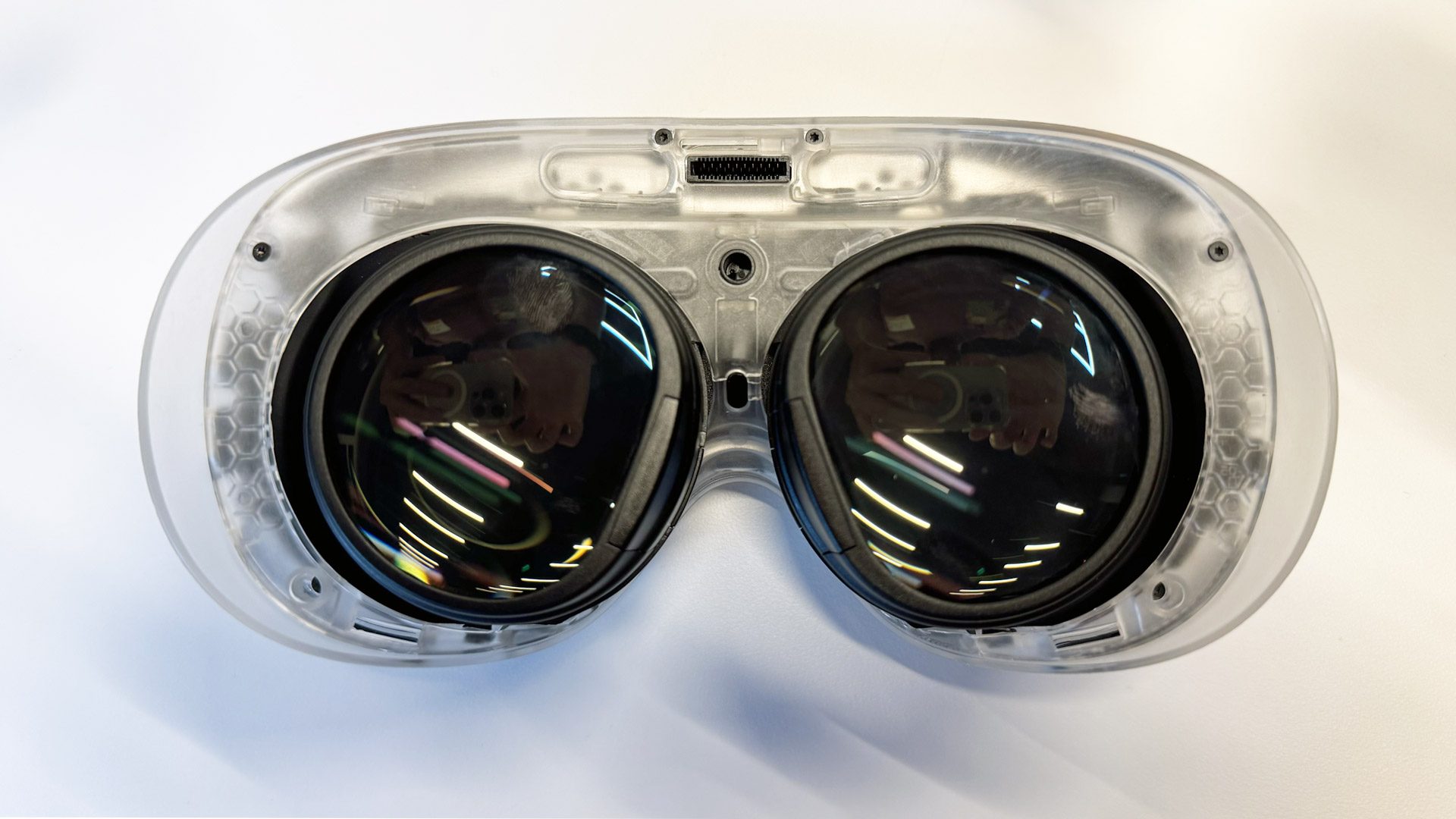
Specifically, the team recalls that the headset’s pancake optics were already in development before Index shipped.
The optics were all designed here [at Valve]. We started it, like I said, right around about the middle of [building Index], and then after we shipped Index we focused really hard on [the new optics]. […]
I think the challenge [with great optics] has always been about how can we do it in a way that’s affordable and not heavy with glass elements and all that stuff.
So it was a really hard, and I think we’ve definitely benefited from the industry wanting to make pancake optics work because there was a lot of work that needed to go into making these manufacturable.
To really understand how it would take another six years before Frame’s announcement, it’s important to understand how work at Valve differs from other companies. While many companies create goals to release specific products on specific timelines, Valve has a much more iterative, ‘release it when it’s done’ mentality. During my visit, a member of the Frame development team explained:
[An] interesting thing about our development process and timeline is we try to work on hardware [at Valve] the same way that we work on software.
We have game teams that have learned how to use play testing really well and how to iterate really well and how to form cross-disciplinary teams that are really productive at just finding the things that are really fun and valuable.
So a lot of the processes [that led to Frame] started before we even shipped Index; we didn’t have an end goal in mind. We’re just like, ‘we think this [idea] is gonna be good. Let’s test it.’ […]
And we just kind of kept going and testing it with people, play-testing our ideas, trying different things and different combinations until […] at some point we’re like, ‘okay, this is doing everything we think that it needs to do. This will make our customers happy. This is a great companion to Steam.’ […]
And only when we reach that point—when we’re confident that we’ve tested our goals and our assumptions—that we’re like, ‘okay, let’s get on the shipping timeline.’
We really only wanna ship something when it’s ready.
If you’ve ever heard someone mention ‘Valve Time’, this is it in a nutshell.
In speaking to the Frame team, I got the sense that most of them were serious VR users themselves, and the features and design of Frame were driven heavily by what they themselves—not some abstract ‘addressable audience’—wanted in a headset. They wanted the headset to be able to play their entire Steam library, they wanted it to be portable and comfortable, and they wanted it to be moddable.
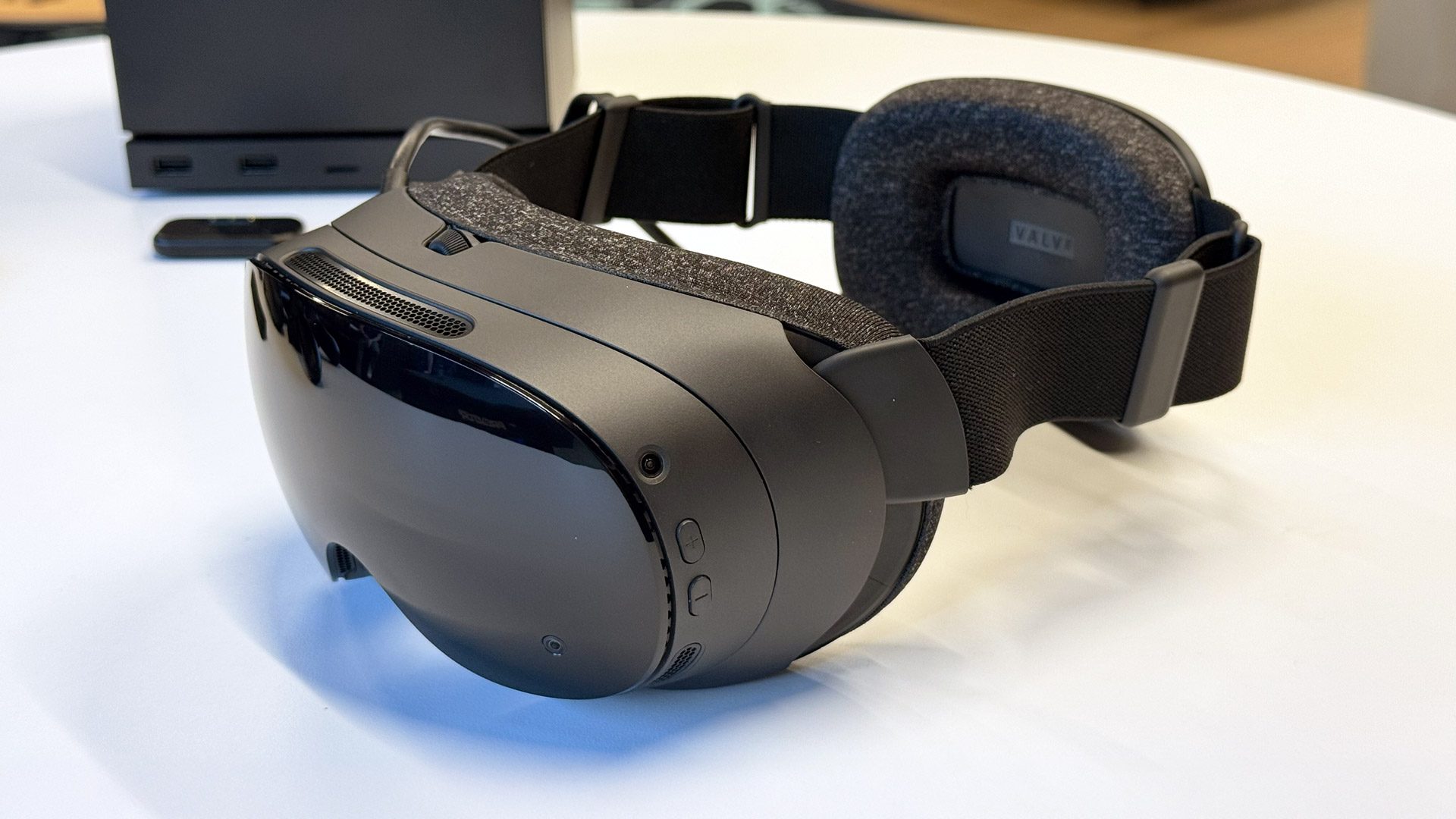
I asked if their goal with Steam Frame was to make a standalone headset from the outset. A member of the team told me they were more focused on the user experience they wanted, which ultimately led them to the standalone form-factor to reduce the friction of setup.
I don’t think we necessarily said, ‘let’s make a standalone device.’ I think it really came down to, we all just wanted to play the things we wanted to play wherever we wanted to play.
And whether that’s streaming or whether that’s running stuff locally, it was really about the experience we were after and like what made this something [we] wanted to use. […]
We’re really excited about what [the power of a full PC] provides, but we also want to not have to set up things [like tracking beacons] and we want to be able to pause [our games] and walk away [to easily resume them later].
Now Frame is finally out in the open. Will it be worth the wait? We’ll find out once it ships in early 2026.
,